The Essence of Slow Living
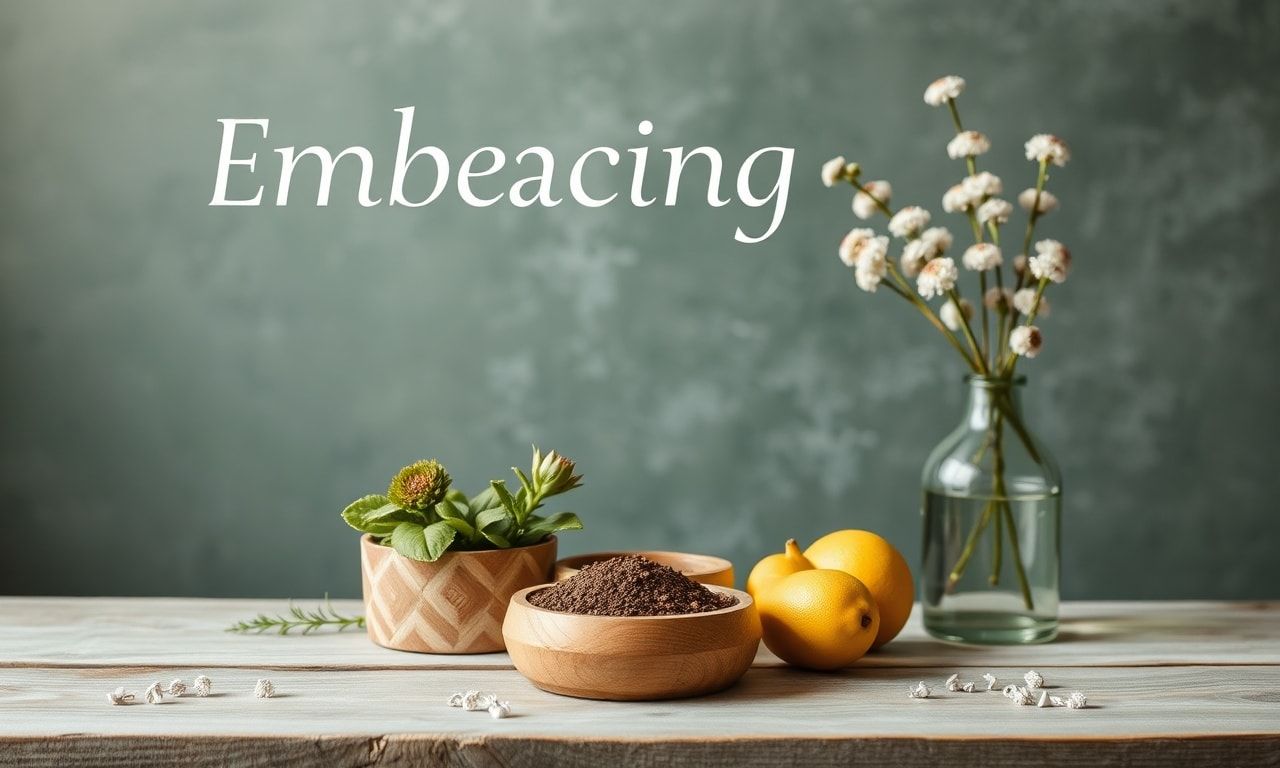
In a world that seems to be moving at an ever-increasing pace, the concept of slow living has gained significant traction. Slow living is not about doing everything at a snail’s pace; rather, it’s about making conscious choices to live life more intentionally and mindfully. It’s about finding joy in the simple things and creating a lifestyle that prioritizes well-being and personal fulfillment.
The Benefits of Slow Living
Embracing slow living can have a profound impact on various aspects of your life. Here are some of the key benefits:
- Reduced Stress: By slowing down and focusing on one task at a time, you can significantly reduce stress levels. Multitasking often leads to overwhelm, whereas mindful living promotes a sense of calm and control.
- Improved Relationships: Slow living encourages deeper connections with loved ones. By dedicating quality time to family and friends, you can strengthen your relationships and create lasting memories.
- Enhanced Well-being: Taking the time to enjoy meals, practice mindfulness, and engage in hobbies can greatly improve your overall well-being. Slow living fosters a healthier lifestyle, both mentally and physically.
- Increased Appreciation: When you slow down, you become more aware of the beauty around you. Whether it’s savoring a cup of coffee or enjoying a leisurely walk, you’ll find more joy in everyday moments.
Practical Tips for Adopting Slow Living
If you’re interested in embracing slow living, here are some practical tips to get you started:
- Prioritize Self-Care: Make time for activities that nourish your mind, body, and soul. This could include yoga, meditation, reading, or simply taking a relaxing bath.
- Disconnect to Reconnect: Spend less time on digital devices and more time engaging with the world around you. Consider designating tech-free zones or times in your home.
- Simplify Your Schedule: Learn to say no to commitments that don’t align with your values or bring you joy. Focus on quality over quantity in all aspects of your life.
- Savor Your Meals: Eat mindfully, enjoying each bite. Avoid rushing through meals and take the time to appreciate the flavors and textures.
- Engage in Hobbies: Dedicate time to activities that bring you happiness and fulfillment. Whether it’s painting, gardening, or cooking, hobbies can be a great way to unwind and express yourself.
The Role of Mindfulness in Slow Living
Mindfulness is a cornerstone of slow living. It involves being fully present in the moment, without judgment or distraction. Practicing mindfulness can help you appreciate the small joys in life and reduce anxiety about the future or regrets about the past. For those interested in global mindfulness practices, exploring cultural perspectives can be enlightening. For instance, staying updated with Mexico últimas noticias hoy actualización can offer insights into how different societies approach well-being and mindfulness.
Creating a Slow Living Home
Your home should be a sanctuary that reflects your values and promotes a sense of calm. Here are some ways to create a slow living home:
- Declutter: A clutter-free space can do wonders for your mental well-being. Donate or sell items you no longer need and create a clean, organized environment.
- Incorporate Nature: Bring the outdoors in by adding plants, natural materials, and plenty of natural light. This can create a soothing atmosphere and improve air quality.
- Designate Relaxation Zones: Create cozy nooks where you can read, meditate, or simply relax. This could be a comfortable chair by the window or a meditation corner in your bedroom.
- Use Calming Colors: Opt for a neutral color palette with soft, calming hues. These colors can promote a sense of tranquility and peace.
Embracing Slow Living in Daily Life
Slow living is not just a concept to be practiced occasionally; it’s a lifestyle to be embraced daily. Here are some ways to incorporate slow living into your everyday routine:
- Morning Routine: Start your day with a mindful morning routine. This could include stretching, journaling, or enjoying a leisurely breakfast.
- Commuting: If possible, walk or bike to work. If you drive, use the time to listen to calming music or a podcast that inspires you.
- Workday: Take regular breaks to stretch, hydrate, and clear your mind. Avoid eating lunch at your desk and make time for a proper break.
- Evening Routine: Wind down in the evening with activities that promote relaxation, such as reading, taking a bath, or practicing gratitude.
The Impact of Slow Living on Relationships
Slow living can have a transformative effect on your relationships. By being fully present with your loved ones, you can foster deeper connections and create meaningful experiences. Here are some ways to incorporate slow living into your relationships:
- Quality Time: Dedicate undivided attention to your family and friends. Put away your phone and engage in meaningful conversations.
- Shared Activities: Engage in activities that you enjoy together, such as cooking, hiking, or playing games. These shared experiences can strengthen your bond.
- Gratitude: Express gratitude for your loved ones regularly. This can be through words of affirmation, acts of service, or simple gestures of appreciation.
Conclusion
Embracing slow living is a journey that requires conscious effort and a willingness to prioritize what truly matters. By incorporating mindfulness, simplifying your life, and creating a nurturing environment, you can cultivate a lifestyle that promotes well-being, happiness, and fulfillment. Remember, slow living is not about doing everything slowly; it’s about doing the right things with intention and joy.
If you’re looking to enrich your personal growth and strengthen your sense of belonging, consider exploring cultural experiences at home and how they can positively impact your daily life.