Introduction to Sustainable Living
In today’s fast-paced world, the concept of sustainable living has gained significant traction. It’s not just about saving the planet; it’s about creating a healthier, more fulfilling lifestyle for ourselves and future generations. Sustainable living involves making conscious choices that reduce our environmental impact while enhancing our quality of life.
The Importance of Energy Efficiency
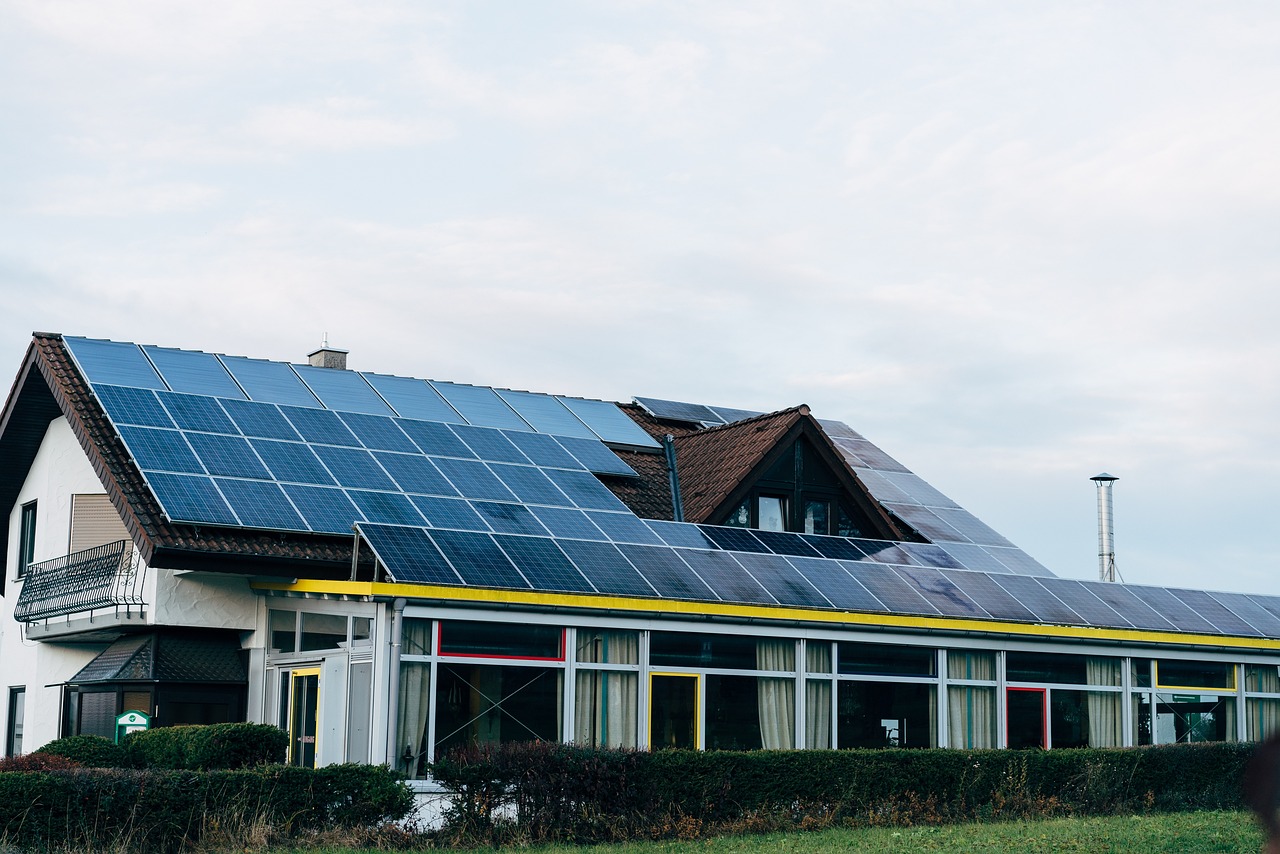
One of the cornerstones of sustainable living is energy efficiency. By reducing our energy consumption, we not only lower our utility bills but also decrease our carbon footprint. Simple steps like using energy-efficient appliances, switching to LED lighting, and insulating our homes can make a substantial difference. For those looking to take it a step further, investing in renewable energy sources like solar power can be a game-changer.
For instance, businesses like hotels can significantly benefit from implementing an otel güneş enerji sistemi. This not only reduces their energy costs but also aligns with the growing trend of eco-friendly tourism, attracting environmentally conscious guests.
Mindful Consumption
Mindful consumption is another key aspect of sustainable living. It involves being aware of the environmental impact of our purchases and choosing products that are durable, recyclable, or made from sustainable materials. This approach extends to our daily habits, such as reducing waste by using reusable bags, bottles, and containers.
Additionally, supporting local businesses and farmers’ markets can help reduce the carbon footprint associated with transportation and packaging. By making these conscious choices, we contribute to a more sustainable economy and community.
Creating a Sustainable Home
Our homes are a reflection of our lifestyle choices. Creating a sustainable home involves incorporating eco-friendly practices into our daily routines. This can include:
- Using non-toxic cleaning products
- Composting organic waste
- Installing water-saving fixtures
- Growing our own herbs and vegetables
These small changes can have a significant impact on our environment and our well-being. A sustainable home is not only good for the planet but also promotes a healthier living environment for us and our families.
The Role of Technology in Sustainable Living
Technology plays a crucial role in promoting sustainable living. From smart thermostats that optimize energy usage to apps that help us track our carbon footprint, technology provides us with the tools to make informed decisions. Smart home devices can automate energy-saving practices, ensuring that we use resources more efficiently.
Moreover, advancements in renewable energy technology, such as solar panels and wind turbines, make it easier for individuals and businesses to adopt sustainable practices. By leveraging technology, we can create a more efficient and eco-friendly lifestyle.
Building a Sustainable Community
Sustainable living is not just an individual effort; it’s a collective one. Building a sustainable community involves collaborating with neighbors, local businesses, and organizations to promote eco-friendly practices. Community gardens, recycling programs, and carpooling initiatives are just a few examples of how we can work together to create a more sustainable future.
By sharing resources and knowledge, we can amplify our impact and inspire others to adopt sustainable practices. A sustainable community is a resilient community, one that is better equipped to handle environmental challenges and thrive in the long run.
Conclusion
Embracing sustainable living is a journey, not a destination. It’s about making conscious choices that benefit both our planet and our well-being. By focusing on energy efficiency, mindful consumption, creating sustainable homes, leveraging technology, and building sustainable communities, we can make a significant impact. Remember, every small step counts, and together, we can create a healthier, more sustainable future for all.