

8 min read · Updated: 2026-10-12
If you’re shopping for parts, tools, or cars, understanding how USA classified ads work helps you avoid scams and save time. This guide shows a practical path from basics to choosing listings that fit a vehicle’s needs. You’ll learn how to search, verify, and follow through with trustworthy ads and sellers.
Begin with a simple plan: define what you need, set a realistic budget, and decide how you’ll verify availability. Then compare listings by condition, location, and delivery or pickup options. Finally, approach sellers with clear questions and a fair negotiation mindset.
By the end, you’ll know how to spot genuine offers, what to ask before meeting, and how to protect yourself during transactions. This is not about hype, but about concrete, repeatable steps that reduce risk for buyers and sellers alike.
- USA classified ads offer a practical route to parts, tools, or vehicles. Focus on accurate search terms, recent listings, and clear details. Vet sellers by asking direct questions and verifying compatibility before paying. Always choose safe payment methods and meet in public places when possible.
- Organize your search with area filters and exact part numbers. Compare 2-3 strong listings to balance price, condition, and delivery. Prepare a simple checklist for meetings and a plan to verify the item on arrival.
- Be mindful of scams by checking photos against parts lists and asking for proof of ownership or service history. Favor listings with readable contact info and consistent descriptions. Keep records of all communications and receipts.
- After a purchase, inspect the item carefully, test what you can, and confirm any agreed-upon warranties or return terms. Store receipts and notes in one place for future reference.
Basics to know before you search
What classified ads cover
Start with the basics: what counts as a USA classified ad and what it can offer a car owner. You’ll encounter listings for parts, tools, used vehicles, and maintenance services. Understanding the scope helps you set realistic expectations and avoid irrelevant posts. USA classified ads
The types of ads vary by site and region, so know the common formats you’ll see (photos, spec lists, contact methods). This helps you filter effectively and move faster on good leads.
Be mindful of fake or exaggerated claims. Look for listings that provide clear details, recent photos, and direct contact instead of generic notes.
- Check the item’s condition and compatibility
- Note the seller’s location and pickup options
- Count photos and read descriptions carefully
- Avoid vague phrases like “works fine” without specifics
How to search efficiently
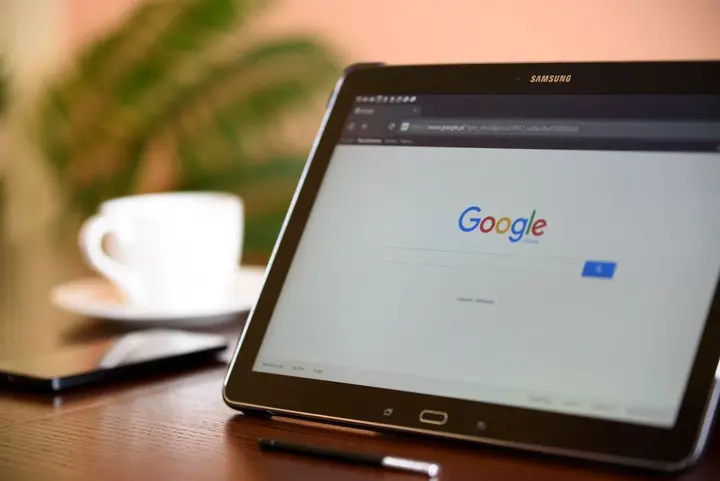
Setting the filters
Begin with a precise make, model, and year. Use keyword variations and filter by location to reduce irrelevant results. Save searches when possible so you catch new listings quickly. A useful resource on this topic: animemangadaily.com news.
- ☐ Define exact part or service needed
- ☐ Set a max distance you will travel
- ☐ Record contact details and response times
- ☐ Save at least three viable listings for comparison
Prioritize listings posted within the past two weeks to increase the odds of current availability. Skipping older posts helps avoid stale offers and out-of-date prices.
Check for multiple photos showing part condition, mounting points, and any wear. This reduces back-and-forth and clarifies fitment expectations.
- Use exact part names and numbers when possible
- Filter by distance from your vehicle’s base
- Inspect photos for signs of wear or damage
- Note if shipping is offered and at what cost
Choosing trustworthy listings
How to vet sellers
Vetting a seller reduces risk and speeds up a deal. Start with images, model numbers, and clear contact channels. A credible listing usually includes specific details and straightforward communication. A useful resource on this topic: promote your event in the USA.
Ask direct questions about the part’s history, warranty, and return policy if applicable. A seller who answers promptly and with precise information earns more credibility.
Look for consistent patterns: real photos, named parts, and accessible social or business contact info. If anything seems inconsistent, walk away and keep looking.
- Ask for a return policy
- Request the full part number
- Check for visible wear and fitment clues
- Prefer sellers with direct contact options
| Option | Pros | Cons |
|---|---|---|
| Local pickup | Immediate verification, no shipping | Limited to nearby listings |
| Courier shipping | Broader selection | Potential delays or damage risk |
| Courier with insurance | Better protection | Higher cost per item |
Payment and pickup options
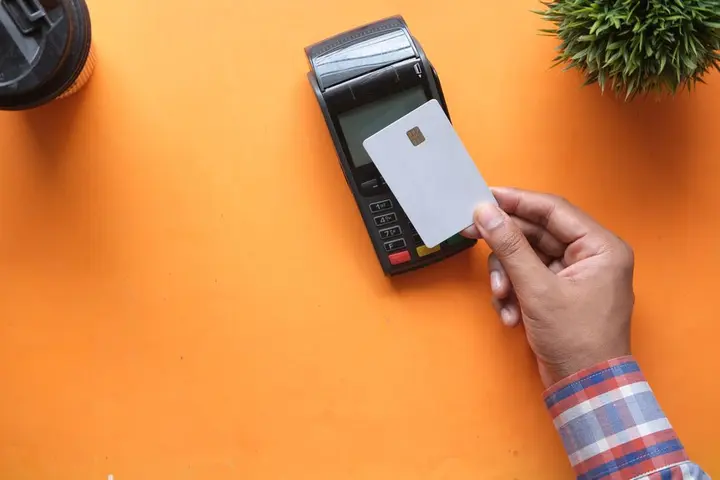
Safe transaction steps
Agree on a method that offers some protection, such as a traceable payment or a protected checkout when available. Avoid cash-only deals when buying high-value parts from strangers. A useful resource on this topic: add your business to the USA business directory.
- Request a written receipt or confirmation
- Meet in a public, well-lit place if you must meet
- Inspect the item before paying
- Verify the part’s compatibility before finalizing
If the seller pushes, ask for verifiable details like maintenance records or recent repairs.
Negotiating and buying tips
Bargaining prepares your offer
Lead with a firm price based on independent research of typical values. Explain how you reached your number and invite a counteroffer. Keep communication concise to avoid misinterpretations. online obituaries in the USA
Present a walk-away threshold and be ready to use it. If the seller pushes, ask for verifiable details like maintenance records or recent repairs. Avoid emotional language and focus on factual points you can verify.
- Start with a clear target price
- Ask for service history
- Request recent receipts
- Suggest a quick in-person inspection
- Set a final offer before the trip to see the car
Making a fair deal with photos
High-quality photos make or break a listing. If photos are unclear, ask for sharper shots of the engine bay, undercarriage, and tires. A listing with recent photos signals ongoing maintenance and transparency.
Explain how you’ll verify claims with the seller, crossing checks with road-test results and a basic inspection. If a claim seems dubious, propose a paid third-party inspection before finalizing any agreement.
Document all agreements in writing, including agreed repairs or price adjustments. This reduces the chance of later disputes and protects both sides.
- Request clear engine and interior shots
- Ask for service records
- Schedule a pre-purchase inspection
- Get everything in writing
- Avoid verbal promises
Legal and safety considerations

Know the local rules
Vehicle sales laws vary by state, so know the basics before you commit. Some states require title transfer within a set window and may impose temp registration rules for test drives.
- Review the title status and any liens
- Ask for a bill of sale with details
Confirm who bears the risk of loss during a test drive and under what terms. Review any written agreement to transfer ownership only after payment and title are exchanged.
If a listing asks for unusual payment methods or bypasses standard paperwork, treat it as a red flag and slow down planning to verify legitimacy.
- Understand title transfer
- Check state consumer protections
- Be wary of odd payment requests
- Confirm inspection rights
- Keep copies of all documents
Safety during the purchase
Meet sellers in public, daylight locations and bring a friend for car viewings. A roadside but public location reduces risk and makes it easier to verify the car’s condition.
Use a basic checklist during the test drive: brakes, steering, transmission, lights, and HVAC. Note any unusual noises and ensure the odometer reading matches the listing.
If you’re uncomfortable with the seller’s responses, pause the deal and consider alternatives. There is no deadline that should rush a safe, informed choice.
- Hold in public place
- Bring a test-drive checklist
- Check vehicle systems thoroughly
- Pause if uncertain
- Never wire money to unknown accounts
Using photos and descriptions effectively
Reading listings critically
A good listing provides clear photos and a detailed description of mileage, maintenance, and known issues. Look for any contradictions between advertised facts and photos.
Compare the listing with public records where possible, such as title status or recalls. Use this context to gauge overall honesty and reliability.
Ask pointed questions about any gaps, like why certain repairs were done or when a part was replaced.
- Check mileage consistency
- Look for service intervals
- Ask about repaired items
- Clarify warranty status
- Note any missing information
Crafting a safe inquiry
Compose focused questions that elicit specific responses rather than generalities. For example, ask for exact dates of service and the shop names where work was performed.
Keep a written trail of all communications to reference later. Short replies that confirm or correct details are better than long, uncertain emails.
If the answer is evasive, request third-party verification or a paid inspection to confirm the car’s condition.
- Ask for service dates
- Request shop verification
- Document all replies
- Seek third-party checks
- Avoid speculative claims
Post-sale steps and follow-up

Closing the deal
After payment and title transfer, ensure you receive all documents: the signed bill of sale, title, and any warranty paperwork. Store these in a safe place for future reference.
Confirm the vehicle’s registration transfer with the relevant DMV or equivalent agency. Take a photo of the submitted documents as proof.
Record any agreed-upon post-sale items, like minor repairs or adjustments, and set deadlines for completion.
- Get stamped title
- Preserve documents
- Note post-sale commitments
- Confirm registration transfer
- Track completion of promised fixes
After the purchase
Schedule a maintenance check soon after purchase to catch issues not evident in the test drive. A basic inspection can reveal hidden wear that affects safety and reliability.
Update your insurance and roadside assistance to cover the new vehicle. Compare coverages and ensure the policy matches the car’s value and usage.
Set a maintenance calendar with upcoming service milestones and recalls so you stay ahead of potential problems.
- Book a maintenance check
- Update insurance
- Create a service calendar
- Track recalls
- Keep receipts
Frequently asked questions
How do I verify a car’s title is clean before buying?
Start with the title itself, looking for any liens or inconsistent owner names. Check the VIN against state records and ensure the seller’s details match the listing. If possible, run a basic title check and demand paperwork showing clear ownership.
Is it safe to buy from a private seller on USA classified ads?
Private sales can offer good value, but they require careful verification. Meet in public places, inspect the vehicle thoroughly, request service records, and use a written bill of sale. If anything feels off, walk away and look for a dealer with more documented history.
What should I do if the car has undisclosed issues?
Document all issues in writing and request corrective action within a reasonable timeframe. If the seller won’t cooperate, consider mediation or reporting it to the platform. A paid inspection can help verify the scope of problems before you decide.
How do I protect payment during a private sale?
Use traceable payment methods and avoid wire transfers to unfamiliar accounts. Meet at a safe location and complete the exchange with proper receipts. If the seller asks for unusual payment schemes, step back and reassess.
Final practical steps for smart purchases
With USA classified ads, treat every listing as a starting point for verification rather than a final word. Build a checklist, compare options, and insist on documentation before any payment.
Next, approach negotiations armed with specific data from your checks, making offers grounded in reality rather than hope. A calm, methodical process reduces risk and yields better results.


