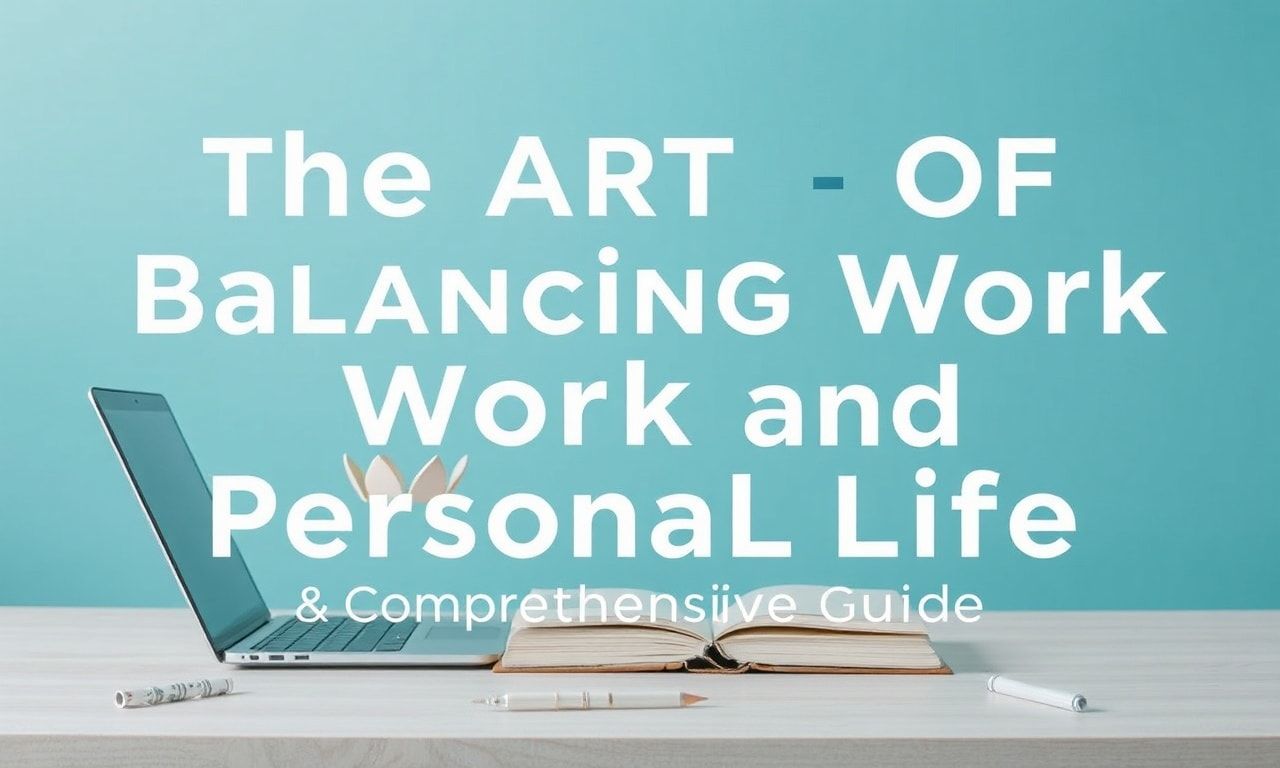
The Importance of Work-Life Balance
In today’s fast-paced world, maintaining a healthy work-life balance can feel like an elusive goal. With the constant demands of work, family, and personal growth, it’s easy to feel overwhelmed and stretched thin. However, achieving a harmonious balance between your professional and personal life is crucial for your overall well-being and happiness. This article will explore the significance of work-life balance, provide practical tips for achieving it, and discuss the benefits of engaging in cultural activities to recharge and rejuvenate.
Understanding Work-Life Balance
Work-life balance refers to the equilibrium between the time and energy you devote to your career and the time and energy you allocate to your personal life, including family, hobbies, and self-care. It’s not about dividing your time equally between work and personal activities but rather about creating a sustainable and fulfilling lifestyle that meets your unique needs and priorities.
Identifying Your Priorities
To achieve work-life balance, it’s essential to identify your priorities. Consider what matters most to you in life, such as spending quality time with loved ones, pursuing hobbies, or focusing on personal growth. Once you have a clear understanding of your priorities, you can make informed decisions about how to allocate your time and energy.
Setting Boundaries
Setting boundaries is another crucial aspect of work-life balance. Establish clear limits on your work hours and communicate them to your colleagues, friends, and family. This can help prevent work from encroaching on your personal time and ensure that you have the space to recharge and rejuvenate.
Practical Tips for Achieving Work-Life Balance
Achieving work-life balance requires a proactive approach and a willingness to make changes to your lifestyle. Here are some practical tips to help you create a more balanced and fulfilling life:
1. Create a Schedule
Develop a daily or weekly schedule that includes dedicated time slots for work, family, hobbies, and self-care. Stick to your schedule as much as possible, and be flexible when unexpected events arise. Remember that it’s okay to say no to social invitations or work commitments if they conflict with your priorities.
2. Learn to Delegate
Delegating tasks at work and at home can help you free up time and energy for more important activities. Identify tasks that can be delegated to others, such as hiring an assistant at work or asking family members to help with household chores. This can help you focus on high-priority tasks and reduce stress.
3. Practice Self-Care
Self-care is an essential component of work-life balance. Engage in activities that promote your physical, mental, and emotional well-being, such as exercise, meditation, or spending time in nature. Remember that self-care is not a luxury but a necessity for maintaining a healthy and balanced life.
4. Engage in Cultural Activities
Participating in cultural activities can be a great way to unwind and recharge. For example, if you’re looking for Bağcılar’da güncel kültür etkinlikleri, you can explore local events, museums, or art exhibitions that align with your interests. Engaging in cultural activities can help you broaden your horizons, reduce stress, and connect with like-minded individuals.
The Benefits of Work-Life Balance
Achieving work-life balance can have numerous benefits for your overall well-being and happiness. Here are some of the key advantages of creating a more balanced and fulfilling life:
1. Improved Mental Health
Work-life balance can help reduce stress, anxiety, and depression. When you have time to recharge and engage in activities you enjoy, you’re better equipped to handle the demands of work and personal life.
2. Enhanced Productivity
Taking breaks and engaging in activities outside of work can actually improve your productivity. When you return to work after a period of rest and rejuvenation, you’ll feel more energized, focused, and motivated.
3. Stronger Relationships
Spending quality time with loved ones can strengthen your relationships and create lasting memories. When you prioritize your personal life, you’re better able to nurture your relationships and build a support network that can help you navigate life’s challenges.
4. Increased Job Satisfaction
Achieving work-life balance can also lead to increased job satisfaction. When you have a fulfilling personal life, you’re more likely to feel content and engaged at work, which can lead to better performance and career advancement.
Conclusion
Achieving work-life balance is an ongoing process that requires self-awareness, planning, and a willingness to make changes to your lifestyle. By identifying your priorities, setting boundaries, and engaging in activities that promote your well-being, you can create a more balanced and fulfilling life. Remember that work-life balance is not about perfection but about progress. Celebrate your successes, learn from your setbacks, and continue to strive for a life that brings you joy and fulfillment.
Struggling to find harmony between your career and personal time? Discover practical tips in balancing work and life amidst the bustling city.
Keeping your home clean can be a breeze with the right tools, and we’ve found some top-notch gadgets that can help you maintain a spotless space effortlessly. Check out smart solutions for a cleaner home to transform your daily cleaning routine.
You may also find Yaşam Tarzınızı Nasıl Geliştirebilirsiniz? helpful as it covers related aspects of this subject.