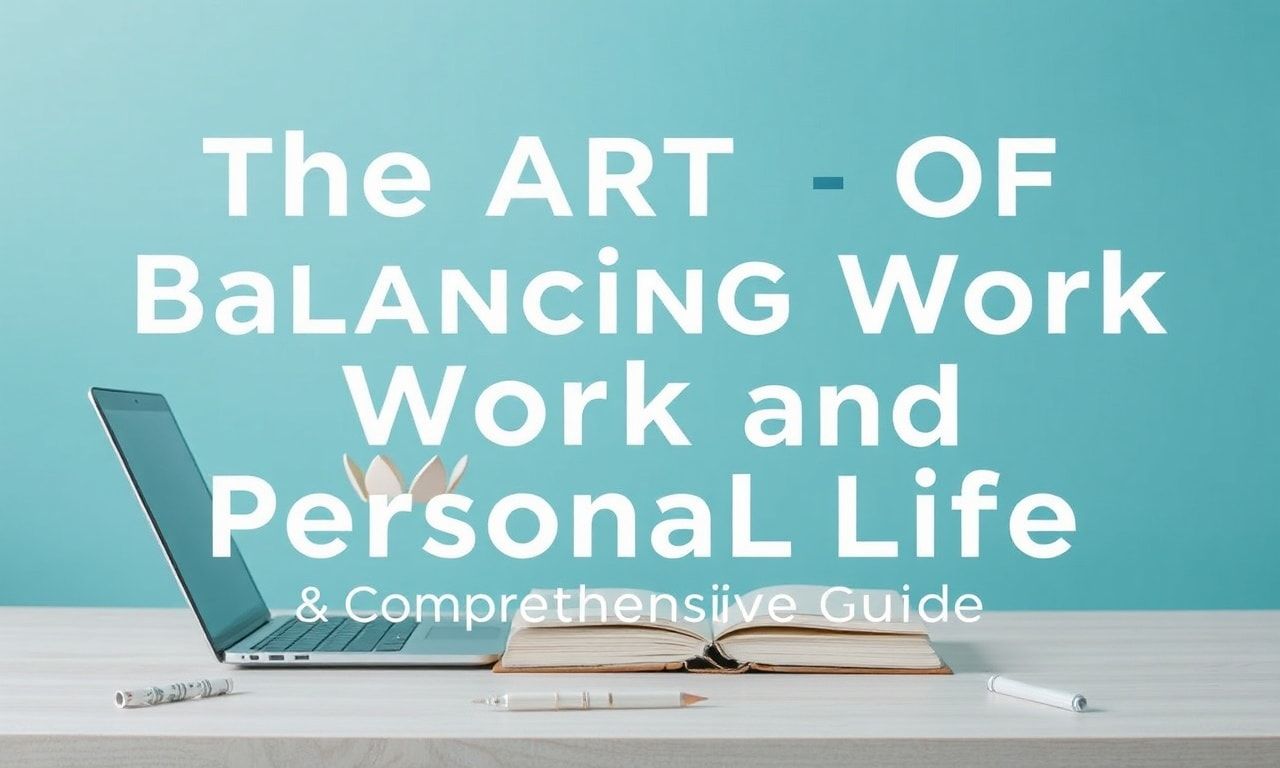
The Importance of Work-Life Balance
In today’s fast-paced world, maintaining a healthy work-life balance is more crucial than ever. With the advent of technology, the lines between professional and personal life have blurred, making it challenging to disconnect from work. However, achieving this balance is essential for overall well-being, productivity, and happiness. This article delves into the importance of work-life balance and provides practical tips to help you achieve it.
Understanding Work-Life Balance
Work-life balance refers to the equilibrium between professional responsibilities and personal life. It involves allocating time and energy to work, family, relationships, hobbies, and self-care. A balanced life leads to reduced stress, increased job satisfaction, and improved mental and physical health. Conversely, an imbalance can result in burnout, decreased productivity, and strained relationships.
The Impact of Work-Life Balance on Mental Health
Mental health is a critical aspect of overall well-being. A healthy work-life balance can significantly improve mental health by reducing stress and anxiety. When individuals have time to relax and engage in activities they enjoy, they are better equipped to handle work-related challenges. Conversely, a lack of balance can lead to chronic stress, which can have severe consequences on mental health, including depression and anxiety.
The Role of Work-Life Balance in Relationships
Maintaining strong, healthy relationships is another key benefit of a balanced life. When individuals prioritize their personal lives, they have more time and energy to invest in their relationships with family, friends, and partners. This can lead to deeper connections, improved communication, and a greater sense of fulfillment. On the other hand, neglecting personal relationships in favor of work can lead to feelings of isolation and loneliness.
Practical Tips for Achieving Work-Life Balance
Achieving a healthy work-life balance requires intentional effort and planning. Here are some practical tips to help you find the right balance:
Set Clear Boundaries
One of the most effective ways to achieve work-life balance is by setting clear boundaries between work and personal life. This can include setting specific work hours, avoiding work-related tasks during personal time, and communicating these boundaries to colleagues and family members. By establishing these boundaries, you can create a clear separation between your professional and personal life, allowing you to fully engage in both.
Prioritize Self-Care
Self-care is an essential component of a balanced life. This can include activities such as exercise, meditation, reading, or spending time in nature. By prioritizing self-care, you can reduce stress, improve your mood, and increase your overall well-being. Additionally, taking time for self-care can help you recharge and be more productive when you are working.
Make Time for Hobbies and Interests
Engaging in hobbies and interests outside of work can provide a much-needed break from the demands of the job. Whether it’s painting, playing a musical instrument, or watching popüler diziler izleme önerileri, having hobbies can help you relax, express your creativity, and connect with others who share similar interests.
Learn to Say No
Saying no is a crucial skill for maintaining a healthy work-life balance. It’s important to recognize your limits and not take on more than you can handle. By learning to say no to additional responsibilities or commitments, you can protect your time and energy for the things that matter most to you.
The Benefits of Achieving Work-Life Balance
Achieving a healthy work-life balance can have numerous benefits for both your personal and professional life. Here are some of the key benefits:
- Improved mental and physical health
- Increased job satisfaction and productivity
- Stronger, more fulfilling relationships
- Greater sense of fulfillment and happiness
- Reduced stress and burnout
Conclusion
Maintaining a healthy work-life balance is essential for overall well-being, productivity, and happiness. By setting clear boundaries, prioritizing self-care, making time for hobbies and interests, and learning to say no, you can achieve a balanced life that allows you to thrive both personally and professionally. Remember, achieving work-life balance is an ongoing process that requires intentional effort and planning. By making it a priority, you can enjoy a more fulfilling and satisfying life.
If you’re looking to enhance your everyday life and create a more harmonious home environment, discover tips for thriving at home that can significantly improve your quality of life.