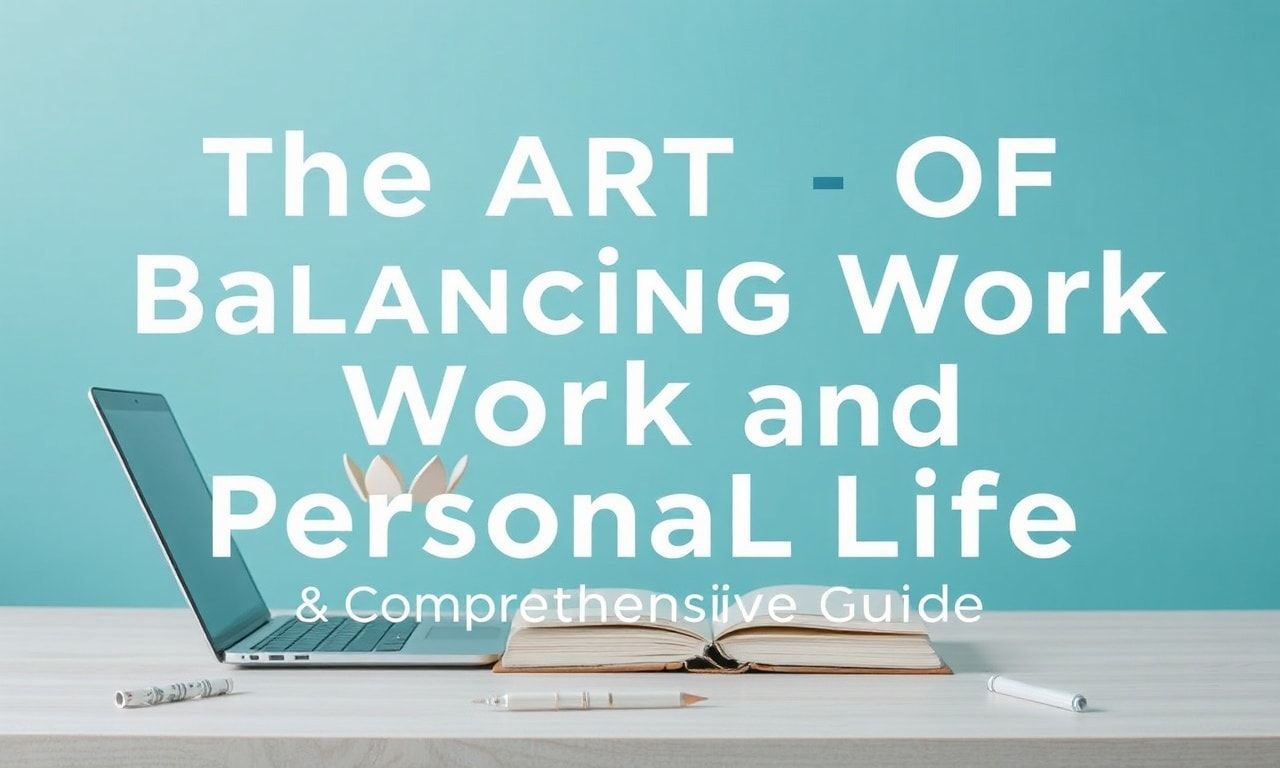
The Importance of Work-Life Balance
In today’s fast-paced world, maintaining a healthy work-life balance is more crucial than ever. With the advent of technology, the lines between professional and personal life have blurred, making it challenging to disconnect from work. However, achieving a harmonious balance is essential for overall well-being, productivity, and relationships. This article delves into the significance of work-life balance, practical tips to achieve it, and how to make the most of your personal time.
Understanding Work-Life Balance
Work-life balance refers to the equilibrium between professional responsibilities and personal life. It involves allocating time and energy to work, family, hobbies, and self-care without feeling overwhelmed. A balanced lifestyle can lead to increased job satisfaction, better mental health, and stronger relationships. Conversely, a lack of balance can result in stress, burnout, and decreased productivity.
Achieving work-life balance is not about dividing your time equally between work and personal life. Instead, it’s about creating a flexible and sustainable routine that allows you to meet your professional goals while also nurturing your personal well-being. This might mean setting boundaries, learning to say no, and prioritizing self-care.
The Impact of Work-Life Balance on Mental Health
Mental health is a critical aspect of overall well-being. A balanced lifestyle can significantly improve mental health by reducing stress and anxiety. When you have time to relax, pursue hobbies, and spend time with loved ones, you are less likely to experience burnout and more likely to feel fulfilled. Conversely, a lack of balance can lead to chronic stress, which can have serious consequences for mental health.
Research has shown that individuals who maintain a healthy work-life balance are more resilient and better equipped to handle life’s challenges. They are also more likely to experience positive emotions, such as happiness and contentment. By prioritizing self-care and setting boundaries, you can protect your mental health and enhance your overall quality of life.
Practical Tips for Achieving Work-Life Balance
Achieving work-life balance requires a proactive approach and a willingness to make changes. Here are some practical tips to help you create a more balanced lifestyle:
- Set Clear Boundaries: Establish clear boundaries between work and personal life. This might mean setting specific work hours, turning off notifications outside of work hours, or creating a dedicated workspace.
- Prioritize Self-Care: Make self-care a priority by engaging in activities that promote relaxation and well-being. This could include exercise, meditation, reading, or spending time in nature.
- Learn to Say No: It’s important to know your limits and learn to say no to requests that would add unnecessary stress to your life. By setting boundaries and prioritizing your well-being, you can create a more balanced lifestyle.
- Delegate and Outsource: Delegating tasks at work and outsourcing household chores can free up time and energy for more enjoyable activities. This might mean hiring a cleaning service, using a meal delivery service, or delegating tasks to colleagues.
- Make Time for Hobbies and Interests: Engaging in hobbies and interests outside of work can provide a much-needed break and boost your overall well-being. Whether it’s painting, playing an instrument, or forex trading for advanced traders guide, make time for activities that bring you joy.
The Role of Technology in Work-Life Balance
Technology has revolutionized the way we work, making it easier to stay connected and productive. However, it has also made it more challenging to disconnect from work. The constant availability of emails, messages, and notifications can blur the lines between work and personal life, making it difficult to achieve a healthy balance.
To mitigate the negative impact of technology on work-life balance, it’s essential to set boundaries and establish a healthy relationship with technology. This might mean turning off notifications outside of work hours, setting specific times for checking emails, or creating a tech-free zone in your home. By being mindful of your technology use, you can create a more balanced lifestyle and protect your mental health.
Creating a Supportive Work Environment
A supportive work environment can significantly enhance work-life balance. Employers can promote a healthy work-life balance by offering flexible work arrangements, such as remote work or flexible hours. They can also encourage employees to take breaks, use their vacation time, and prioritize self-care.
Employees can also contribute to a supportive work environment by communicating their needs and boundaries. By openly discussing their work-life balance goals with their employers, they can create a more flexible and accommodating work environment. This might mean negotiating flexible hours, taking time off for personal commitments, or delegating tasks to colleagues.
Making the Most of Your Personal Time
Achieving work-life balance is not just about setting boundaries and reducing work-related stress. It’s also about making the most of your personal time and engaging in activities that bring you joy and fulfillment. Here are some tips for making the most of your personal time:
- Plan Ahead: Schedule activities that you enjoy and look forward to. This might include social events, hobbies, or self-care activities. By planning ahead, you can ensure that you make time for the things that matter most.
- Disconnect from Technology: Make a conscious effort to disconnect from technology and engage in activities that promote relaxation and well-being. This might mean reading a book, spending time in nature, or practicing mindfulness.
- Spend Time with Loved Ones: Nurturing relationships is essential for overall well-being. Make time to connect with family and friends, whether it’s through shared meals, outings, or simply spending quality time together.
- Engage in Physical Activity: Regular exercise is not only beneficial for physical health but also for mental well-being. Find activities that you enjoy, such as yoga, running, or dancing, and make them a regular part of your routine.
- Practice Gratitude: Cultivating a sense of gratitude can enhance overall well-being and promote a positive outlook on life. Take time each day to reflect on the things you are grateful for, whether it’s a supportive friend, a beautiful sunset, or a delicious meal.
Achieving work-life balance is an ongoing process that requires self-awareness, proactive planning, and a willingness to make changes. By setting boundaries, prioritizing self-care, and making the most of your personal time, you can create a more balanced and fulfilling lifestyle. Remember, work-life balance is not about perfection but about finding a sustainable routine that works for you.
If you’re looking to bring more harmony into your daily life, consider exploring tips for managing imbalance and improving your overall well-being.