The Modern Dilemma
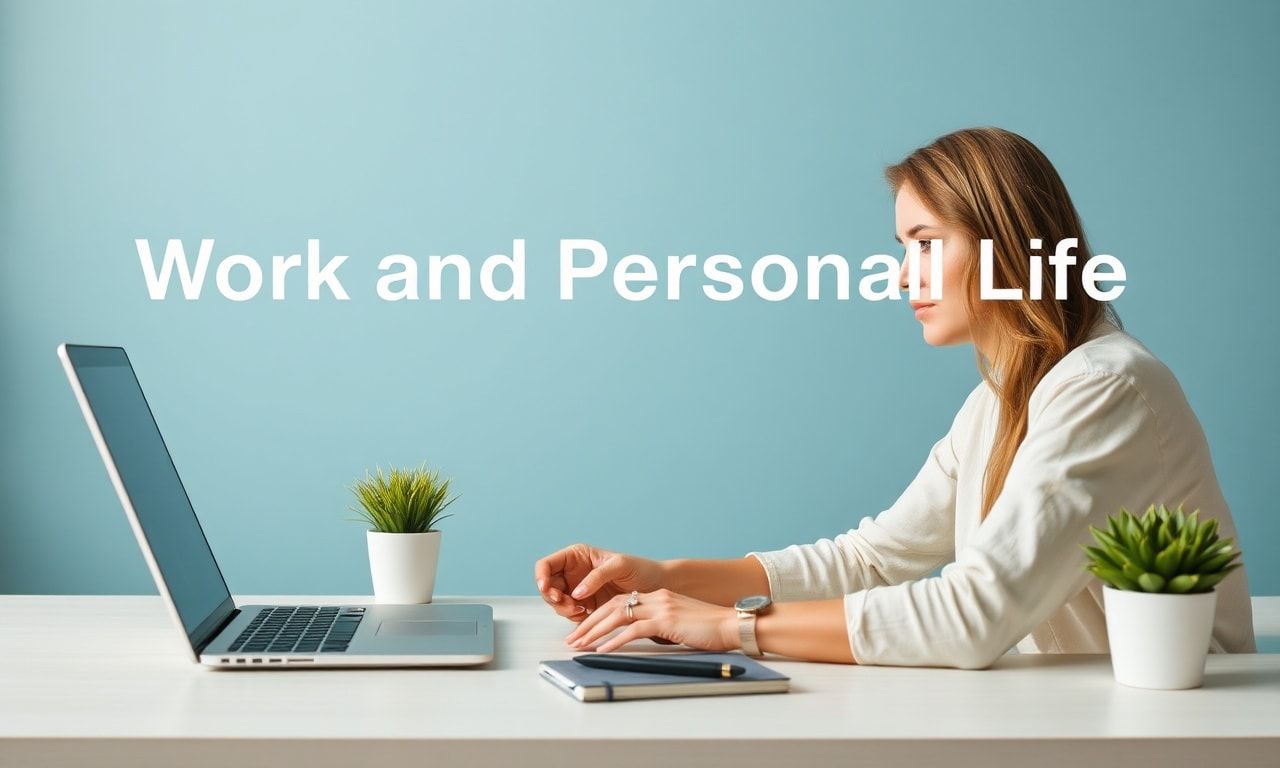
The digital age has brought about a significant shift in how we live our lives. The lines between work and personal time have blurred, making it challenging to maintain a healthy balance. With the advent of remote work, social media, and 24/7 connectivity, the traditional nine-to-five workday has evolved into a more fluid and continuous cycle. This shift has led to both opportunities and challenges, particularly in managing our time and energy effectively.
The Importance of Setting Boundaries
One of the key strategies for achieving a balanced lifestyle is setting clear boundaries between work and personal time. This can be achieved by establishing a dedicated workspace, setting specific work hours, and communicating these boundaries to family, friends, and colleagues. For instance, if you work from home, it’s essential to create a physical separation between your work area and your relaxation space. This can help you mentally switch off from work and focus on personal activities.
Creating a Routine
Establishing a daily routine can also help in maintaining a healthy work-life balance. A routine provides structure and predictability, which can reduce stress and increase productivity. Start by identifying your peak productivity hours and scheduling your most demanding tasks during these times. Additionally, include time for exercise, hobbies, and relaxation in your daily schedule. Remember, a well-rounded routine should cater to both your professional and personal needs.
Leveraging Technology for Balance
While technology can be a significant contributor to work-life imbalance, it can also be a powerful tool for achieving balance. For example, productivity apps can help you manage your time more effectively, while wellness apps can guide you through relaxation techniques and exercise routines. Moreover, features like ‘Do Not Disturb’ on smartphones can help you disconnect from work and focus on personal time. It’s all about using technology mindfully and intentionally.
For those interested in tech comparisons, the Honda Civic tech comparison chart offers a detailed look at how different models stack up in terms of features and performance. This kind of information can be invaluable when making purchasing decisions, allowing you to balance your needs and budget effectively.
The Role of Self-Care
Self-care is a crucial aspect of maintaining a balanced lifestyle. It involves taking deliberate actions to care for your physical, mental, and emotional well-being. This can include activities like exercising regularly, eating a balanced diet, getting enough sleep, and engaging in hobbies or activities that bring you joy. Self-care also involves knowing when to say ‘no’ and setting boundaries to protect your time and energy.
Mindfulness and Stress Management
Mindfulness practices, such as meditation and yoga, can help you stay present and reduce stress. These practices can be incorporated into your daily routine to help you manage stress and maintain a positive outlook. Additionally, techniques like deep breathing, journaling, and gratitude practices can help you stay grounded and focused on what truly matters.
Building Strong Relationships
Strong relationships are a vital component of a balanced lifestyle. They provide emotional support, foster a sense of belonging, and contribute to overall happiness and well-being. Make time for family and friends, and prioritize open and honest communication. Remember, quality time spent with loved ones can be just as rejuvenating as a good night’s sleep or a relaxing hobby.
Communicating Your Needs
Effective communication is key to maintaining healthy relationships. Express your needs and boundaries clearly, and be open to listening to the needs of others. This can help prevent misunderstandings and foster a supportive and understanding environment. Whether it’s with your partner, family, or friends, clear communication can strengthen your relationships and contribute to a more balanced lifestyle.
Conclusion
Achieving a balanced lifestyle in the digital age requires a conscious effort to set boundaries, leverage technology mindfully, prioritize self-care, and build strong relationships. It’s about finding a harmony between your professional and personal life that allows you to thrive in both areas. Remember, balance is a personal journey, and what works for one person may not work for another. The key is to find what works best for you and make it a part of your daily routine.
If you’re curious about how future car tech might impact your daily commute and lifestyle, check out innovations shaping tomorrow’s vehicles.
To help you navigate daily life more effectively, consider checking out key points for better living, a practical guide on enhancing your everyday experiences.
Ever wondered how technology shapes our daily commutes? Dive into the Honda Civic’s tech journey and see how it reflects our evolving lifestyles.