The Modern Lifestyle Puzzle
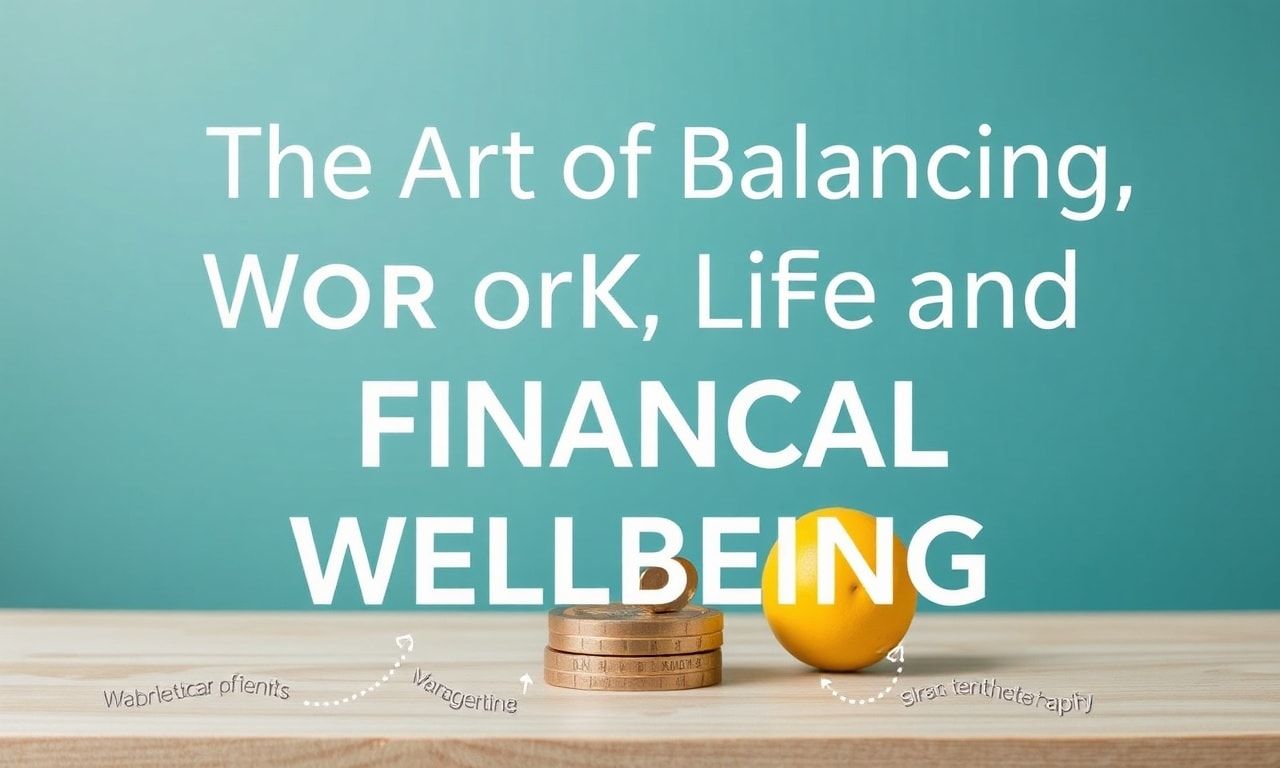
The modern lifestyle is a complex puzzle, with pieces that include work, personal life, and financial wellness. Balancing these aspects can be challenging, but it’s essential for a fulfilling and stress-free life. In this article, we’ll explore how to manage these different areas effectively, ensuring that you can enjoy a balanced and rewarding lifestyle.
Work-Life Balance: Finding the Sweet Spot
Achieving a healthy work-life balance is crucial for overall well-being. It’s about creating a harmonious blend of work and personal life, ensuring that neither aspect is neglected. Here are some tips to help you find the sweet spot:
- Set Clear Boundaries: Establish clear boundaries between work and personal time. This could mean setting specific work hours and sticking to them, or creating a dedicated workspace at home to separate work from leisure.
- Prioritize Tasks: Not all tasks are equally important. Use tools like the Eisenhower Matrix to prioritize tasks based on their urgency and importance. This will help you focus on what truly matters and avoid feeling overwhelmed.
- Take Regular Breaks: Regular breaks can help you recharge and maintain productivity. Techniques like the Pomodoro Technique, where you work for 25 minutes and then take a 5-minute break, can be very effective.
- Make Time for Hobbies: Hobbies are a great way to unwind and recharge. Whether it’s reading, painting, or playing a musical instrument, make sure to set aside time for activities you enjoy.
The Role of Financial Planning
Financial wellness is a critical component of a balanced lifestyle. It’s about managing your finances in a way that supports your goals and reduces stress. One way to stay informed about financial planning is by referring to resources like the finansal planlama rehberi güncel durumu, which provides up-to-date information and guidance. Here are some key aspects of financial planning:
- Budgeting: Create a budget to track your income and expenses. This will help you understand where your money is going and identify areas where you can save.
- Saving and Investing: Set aside a portion of your income for savings and investments. This will help you build a financial cushion and grow your wealth over time.
- Debt Management: If you have debts, create a plan to pay them off systematically. This could involve consolidating high-interest debts or negotiating with creditors for better terms.
- Emergency Fund: Build an emergency fund to cover unexpected expenses. Aim to save at least 3-6 months’ worth of living expenses.
Building Strong Relationships
Strong relationships are another key component of a balanced lifestyle. They provide emotional support, reduce stress, and enhance overall well-being. Here are some tips for building and maintaining strong relationships:
- Communicate Openly: Open and honest communication is the foundation of any strong relationship. Make sure to express your feelings and listen to others’ perspectives.
- Spend Quality Time Together: Spend quality time with your loved ones. This could mean having regular family dinners, planning weekend getaways, or simply spending a quiet evening at home together.
- Show Appreciation: Show your appreciation for the people in your life. This could be through words of affirmation, acts of service, or small gestures of kindness.
- Resolve Conflicts Constructively: Conflicts are a natural part of any relationship. Learn to resolve them constructively by focusing on the issue at hand and avoiding personal attacks.
The Importance of Self-Care
Self-care is often overlooked but is crucial for maintaining a balanced lifestyle. It’s about taking care of your physical, mental, and emotional well-being. Here are some self-care tips:
- Exercise Regularly: Regular exercise can boost your mood, reduce stress, and improve overall health. Find an activity you enjoy, whether it’s yoga, running, or dancing, and make it a part of your routine.
- Eat a Balanced Diet: A balanced diet can provide the nutrients your body needs to function optimally. Include plenty of fruits, vegetables, lean proteins, and whole grains in your meals.
- Get Enough Sleep: Quality sleep is essential for both physical and mental health. Aim for 7-9 hours of sleep per night and maintain a consistent sleep schedule.
- Practice Mindfulness: Mindfulness practices like meditation, deep breathing, and journaling can help you stay present and reduce stress. Incorporate these practices into your daily routine to enhance your well-being.
Creating a Balanced Lifestyle
Creating a balanced lifestyle is an ongoing process that requires attention and effort. It’s about finding the right balance between work, personal life, and financial wellness, and making adjustments as needed. By prioritizing self-care, building strong relationships, and managing your finances effectively, you can enjoy a fulfilling and rewarding lifestyle.
Remember, balance is not about perfection. It’s about making small, consistent efforts to improve your overall well-being. Start by implementing the tips mentioned in this article and make adjustments as needed. With time and practice, you’ll find the balance that works best for you.