The Essence of Mindful Living
In the fast-paced world we inhabit, the concept of mindful living has emerged as a beacon of tranquility and balance. Mindful living is not about adding more to your life but rather about being fully present in each moment. It’s a practice that can transform mundane activities into meaningful experiences, fostering a deeper connection with oneself and the world around us. This article explores the essence of mindful living and provides practical tips to integrate mindfulness into your daily routine.
Creating a Mindful Home Environment
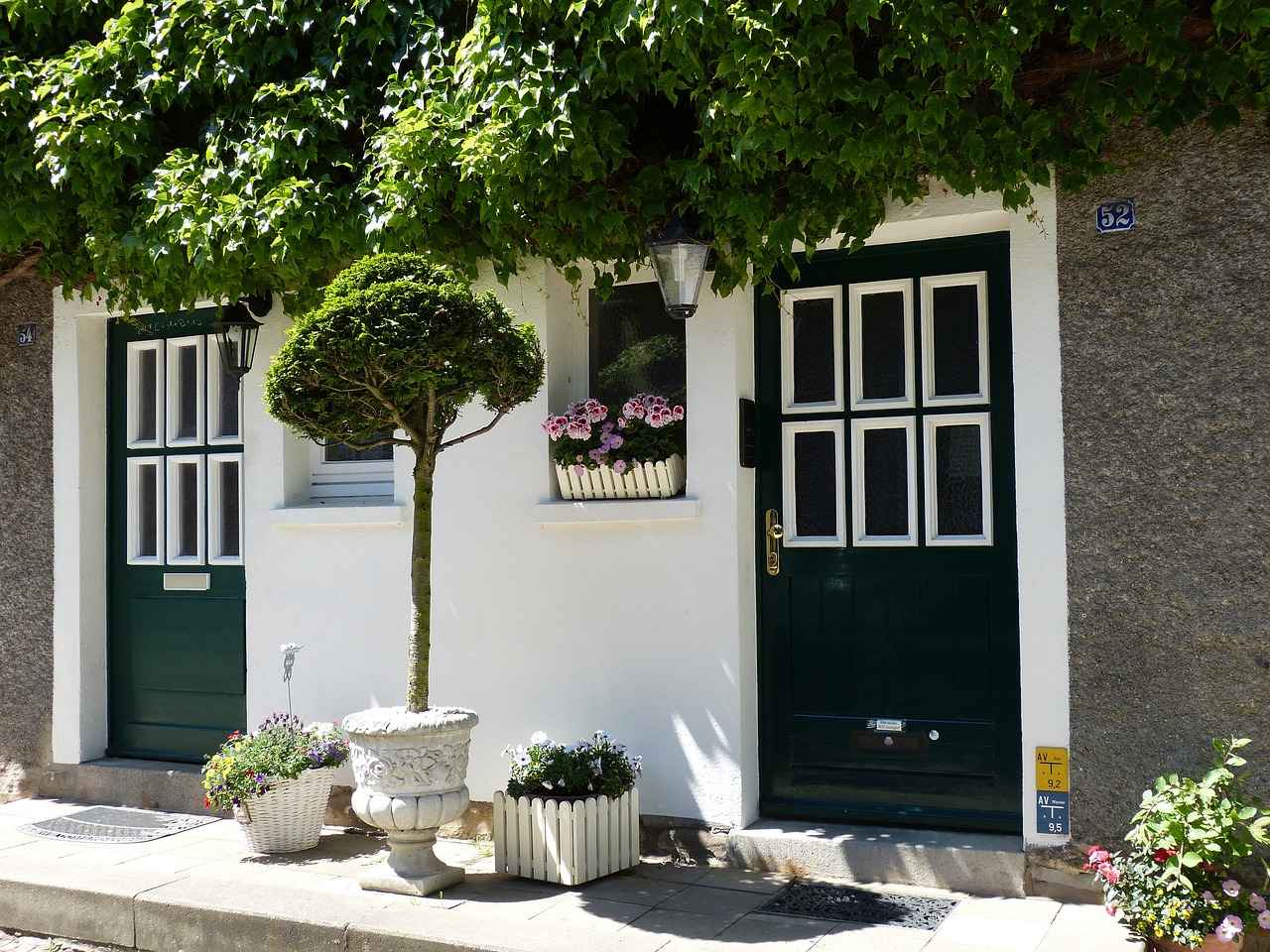
Your home is a reflection of your inner self. Creating a mindful home environment involves decluttering not just physically but also mentally. Start by organizing your space to promote a sense of calm and order. Incorporate elements of nature, such as plants and natural light, to enhance the ambiance. Personalize your space with items that bring you joy and tranquility. Remember, a mindful home is not about perfection but about creating a space that nurtures your well-being.
Decluttering for a Peaceful Mind
Decluttering is a powerful practice that can significantly impact your mental well-being. Begin by identifying items that no longer serve a purpose or bring you happiness. Donate or discard these items to create a more spacious and peaceful environment. Consider adopting the minimalist approach, where you focus on quality over quantity. A clutter-free home can lead to a clutter-free mind, allowing you to focus on what truly matters.
Incorporating Nature into Your Home
Bringing elements of nature into your home can have a profound effect on your mood and overall well-being. Indoor plants not only purify the air but also add a touch of greenery that can be incredibly soothing. Natural light is another essential element that can brighten up your space and improve your mood. Consider rearranging your furniture to maximize natural light and create a more inviting atmosphere. These small changes can make a big difference in how you feel and interact with your home.
The Role of Relationships in Mindful Living
Relationships play a crucial role in our overall well-being. Mindful living involves being fully present in your relationships, whether with family, friends, or partners. Practice active listening, where you give your full attention to the person speaking. Show empathy and understanding, and be open to sharing your thoughts and feelings. Mindful communication can strengthen your relationships and foster a deeper sense of connection and intimacy.
For instance, attending events like the 北京电影节明星见面会 can be a great way to bond with loved ones who share similar interests. Shared experiences create lasting memories and strengthen the bonds between individuals. Whether it’s a movie night at home or a cultural event, these moments can be enriched through mindful presence and engagement.
Practicing Active Listening
Active listening is a key component of mindful communication. It involves not just hearing the words but also understanding the emotions and intentions behind them. Practice active listening by maintaining eye contact, nodding, and providing verbal cues to show that you are engaged. Avoid interrupting and allow the speaker to express themselves fully. This practice can significantly improve the quality of your relationships and foster a deeper sense of connection.
Showing Empathy and Understanding
Empathy is the ability to understand and share the feelings of another. Showing empathy involves putting yourself in the other person’s shoes and trying to see the world from their perspective. Practice empathy by being open to different viewpoints and validating the other person’s feelings. This can help to create a more compassionate and understanding environment, where both parties feel heard and valued.
Self-Improvement Through Mindful Practices
Self-improvement is an ongoing journey that requires mindfulness and self-awareness. Mindful practices such as meditation, journaling, and gratitude exercises can help you gain a deeper understanding of yourself and your emotions. These practices can also help you identify areas for growth and develop a plan for personal development. Remember, self-improvement is not about perfection but about progress and continuous learning.
Meditation for Self-Awareness
Meditation is a powerful practice that can help you cultivate self-awareness and inner peace. It involves focusing your mind on a particular object, thought, or activity to achieve a state of calm and clarity. Regular meditation practice can help you become more aware of your thoughts and emotions, allowing you to respond to life’s challenges with greater wisdom and compassion. Start with just a few minutes each day and gradually increase the duration as you become more comfortable with the practice.
Journaling for Self-Reflection
Journaling is another effective practice for self-reflection and personal growth. It involves writing down your thoughts, feelings, and experiences to gain a deeper understanding of yourself. Regular journaling can help you identify patterns in your behavior and emotions, allowing you to make positive changes in your life. It can also serve as a therapeutic outlet, helping you to process and release negative emotions. Start by setting aside a few minutes each day to write in your journal, and watch as your self-awareness and personal growth flourish.
Embracing the Journey of Mindful Living
Mindful living is a journey, not a destination. It’s about embracing each moment with open arms and a curious mind. It’s about finding joy in the simple pleasures of life and being grateful for the blessings that surround us. By incorporating mindful practices into your daily routine, you can enhance your overall well-being and create a more fulfilling and meaningful life. Remember, the journey of mindful living is unique to each individual, and it’s okay to take it at your own pace. Embrace the journey, and watch as your life transforms in beautiful and unexpected ways.
Discover how international film festivals can enrich your life and broaden your perspective by exploring cultural experiences through cinema, a fascinating look into the impact of global storytelling on our daily lives.
If you’re passionate about your pet’s well-being, you’ll find our latest piece on pet nutrition trends both enlightening and practical.
If you enjoyed this article, we recommend checking out The Intersection of Sports and Fashion: for further reading.